Why Animal Interaction Adds Depth to Virtual Pet Games
Virtual pet games traditionally focus on a single character. Care routines, mini-games, and customization revolve around that central relationship. When additional animals become part of the world, the structure expands in a meaningful way.
Introducing multiple animals changes the rhythm of interaction. Instead of repeating the same care loop, players engage in discovery - meeting different creatures, observing behaviors, and interacting through varied mini-games. The experience becomes less about maintaining one system and more about exploring a living environment.
Animal-based gameplay also supports layered skill expression. Some interactions are quick and playful, fitting short sessions. Others require more timing, coordination, or repeated practice. Mini-games connected to different animals can vary in pace and complexity, allowing players with different skill levels to engage comfortably within the same world.
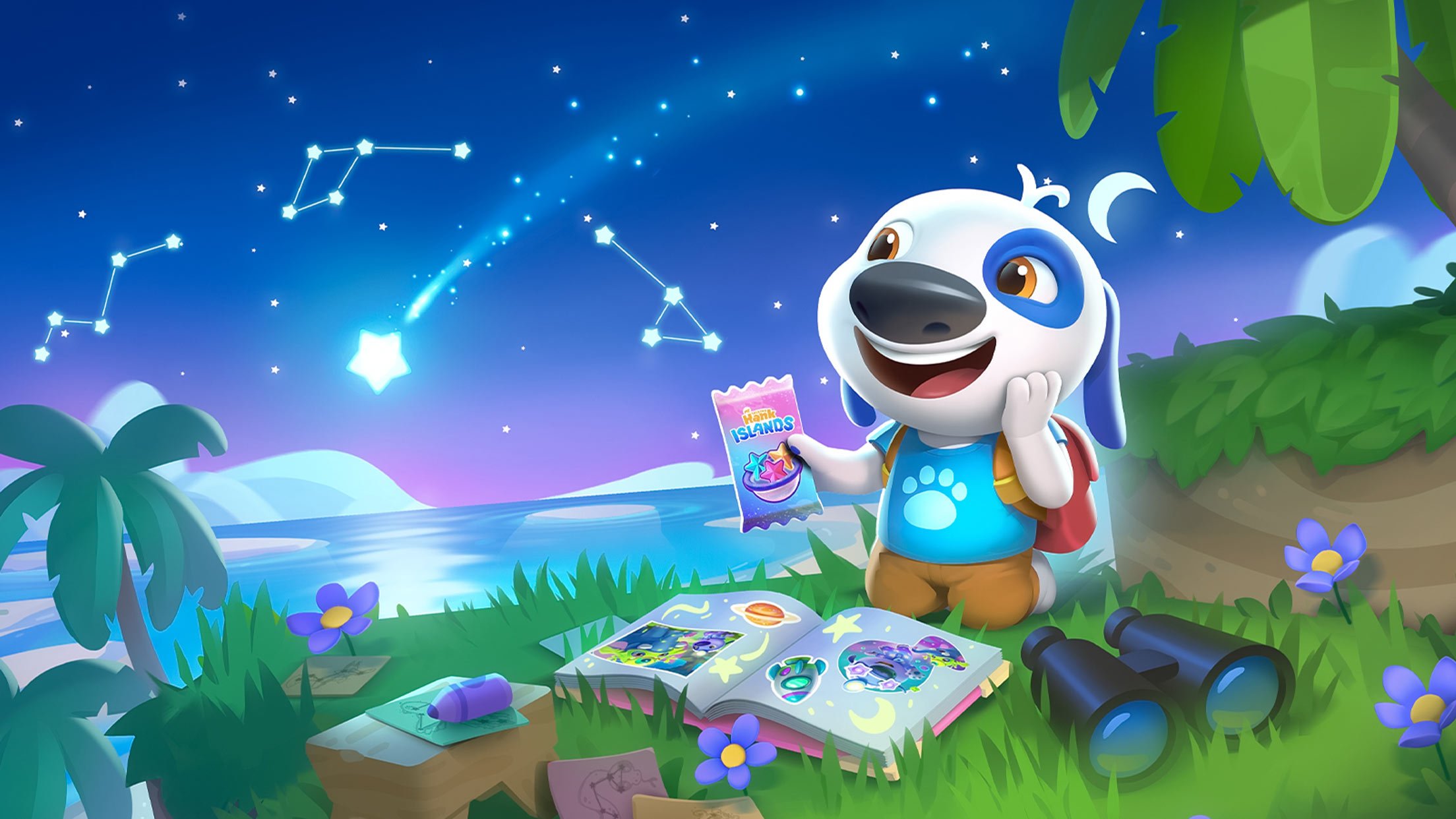
In free-to-play adventure-style virtual pet experiences such as My Talking Hank: Islands, the player interacts not only with a talking pet but also with animals like turtles, elephants, and other creatures that appear throughout the world. Challenges, mini-games, and discovery-based tasks connect these animals to the core gameplay loop, expanding interaction beyond a single character.
This structure adds progression without increasing pressure. Players can focus on routine care, explore to find new animals, or refine performance in mini-games associated with specific creatures. The world feels dynamic because interaction is distributed rather than centralized.
Virtual pet games that incorporate animal discovery and mini-games demonstrate how variety can increase engagement. By allowing players to interact with multiple creatures, the experience gains depth, replayability, and a sense of ongoing curiosity - while remaining accessible across ages and skill levels.